This tp link axe5400 review looks at the Archer AXE75, a tri-band Wi-Fi 6E router built around a new 6 GHz band, support for multiple simultaneous connections, and VPN features.
It is most relevant to homes with devices that can use Wi-Fi 6E and a modem-based internet setup.
Archer AXE75 Review Summary
The quick verdict
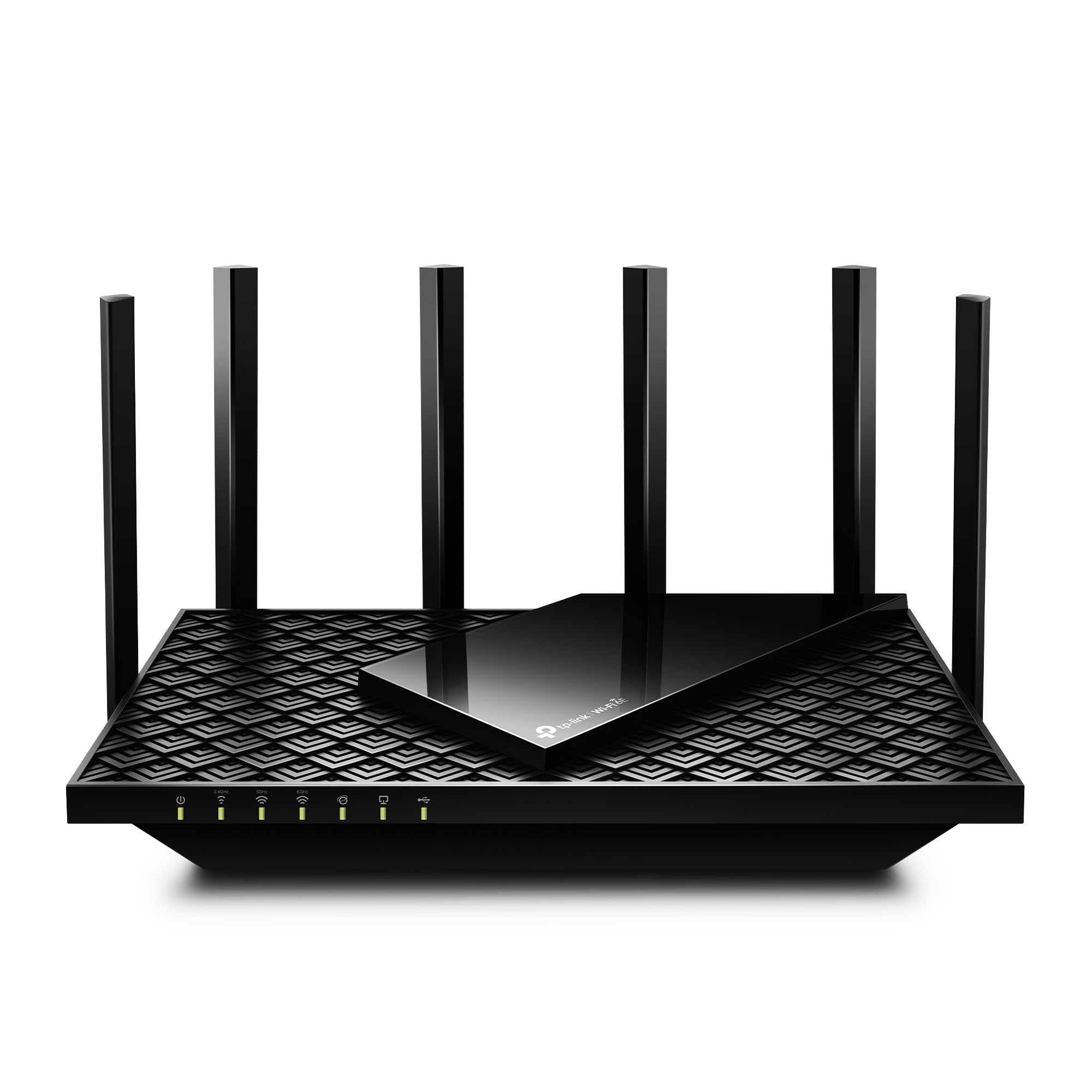
5,000+ ratings
Read Amazon ReviewsTP-Link Archer AXE75
A tri-band router for households with Wi-Fi 6E devices, multiple simultaneous connections, and an interest in VPN and network-management features.
- Tri-band Wi-Fi 6E with up to 5,400 Mbps combined advertised wireless speed: 2,402 Mbps on 6 GHz, 2,402 Mbps on 5 GHz, and 574 Mbps on 2.4 GHz.
- A 6 GHz band intended to provide additional bandwidth for Wi-Fi 6E devices, including uses such as gaming and video calls.
- OFDMA and tri-band operation designed to increase capacity for simultaneous transmissions to more devices.
- A 1.0 GHz dual-core CPU and 512 MB of high-speed memory, paired with a housing design intended to dissipate heat.

Pros
- Adds a dedicated 6 GHz band for devices that support Wi-Fi 6E.
- Offers three bands and OFDMA for a home with several connected devices.
Consider before buying
- The 6 GHz band is useful only for compatible devices, so older equipment will not make use of that part of the design.
- Most internet-provider setups require a separate modem, which may add a component if you do not already have one.
Read the full review summary
The Archer AXE75 divides its advertised wireless capacity across three bands: up to 2,402 Mbps on 6 GHz, up to 2,402 Mbps on 5 GHz, and up to 574 Mbps on 2.4 GHz.
The additional band gives compatible Wi-Fi 6E devices another place to connect, while OFDMA is intended to help the router serve multiple devices at once.
It also combines a dual-core processor and 512 MB of memory with OneMesh extender support, VPN server and client functions, and a set of basic HomeShield features.
Those are useful ingredients for a connected household, though the best fit depends on device compatibility, the home layout, and whether the internet plan and wired setup can take advantage of the router.
The buying factors
Archer AXE75 Scorecard
Editorial scores reflect listed features and buyer fit; they are not laboratory measurements or customer ratings.
Wi-Fi band flexibility
Three bands, including 6 GHz, give compatible devices another connection option.
Multi-device design
OFDMA and tri-band operation are designed to increase capacity for simultaneous transmissions.
VPN options
The router supports both VPN client and server functions with several named protocols.
Whole-home expansion
OneMesh support provides an extender-based path to expand coverage.
Network management
HomeShield includes basic network security, parental controls, QoS, and usage reports.
Setup flexibility
It works with many providers, but most listed internet setups require a separate modem.
Key Features and Specifications of Archer AXE75
- Tri-band Wi-Fi 6E with up to 5,400 Mbps combined advertised wireless speed: 2,402 Mbps on 6 GHz, 2,402 Mbps on 5 GHz, and 574 Mbps on 2.4 GHz.
- A 6 GHz band intended to provide additional bandwidth for Wi-Fi 6E devices, including uses such as gaming and video calls.
- OFDMA and tri-band operation designed to increase capacity for simultaneous transmissions to more devices.
- A 1.0 GHz dual-core CPU and 512 MB of high-speed memory, paired with a housing design intended to dissipate heat.
- OneMesh support for connecting a compatible TP-Link OneMesh extender to form a broader home network.
- VPN client and server support for OpenVPN, PPTP, and L2TP, plus HomeShield basic network security, parental controls, QoS, and reports.
Pros and Cons of Archer AXE75
Pros
- Adds a dedicated 6 GHz band for devices that support Wi-Fi 6E.
- Offers three bands and OFDMA for a home with several connected devices.
- Includes both VPN client and server functions.
- Can be paired with a compatible OneMesh extender for expanded coverage.
- Provides basic security, parental control, QoS, and network-report features through HomeShield.
Consider before buying
- The 6 GHz band is useful only for compatible devices, so older equipment will not make use of that part of the design.
- Most internet-provider setups require a separate modem, which may add a component if you do not already have one.
- OneMesh expansion depends on pairing the router with a compatible TP-Link extender.
Who Should Buy Archer AXE75?
Good fit
Consider the Archer AXE75 if your household has Wi-Fi 6E phones, computers, or other devices and you want a router with a separate 6 GHz band alongside the familiar 5 GHz and 2.4 GHz bands.
Its tri-band design and OFDMA are aimed at handling more simultaneous activity, which may make it a sensible upgrade for a busy home where compatible devices share the network.
It also makes sense if VPN routing matters to you. Support for both VPN client and server modes, along with OpenVPN, PPTP, and L2TP, gives the router flexibility for different home-network arrangements.
HomeShield's basic controls and OneMesh extender support round out the feature set for buyers who want more than wireless access alone.
Before choosing it, check whether your devices support Wi-Fi 6E, whether you have or need a separate modem, and whether any extender you plan to use supports OneMesh.
Those checks help determine whether the router's main advantages will fit your current setup.
Who should skip it
Skip it if your devices do not support Wi-Fi 6E and you have no plans to add compatible equipment; the 6 GHz band may not provide a meaningful benefit for your household.
Look elsewhere if your priority is a Wi-Fi 7 router or a particular wired-port configuration. The Archer AXE75's described strengths center on Wi-Fi 6E, tri-band operation, VPN support, and OneMesh.
How the Archer AXE75 fits a Wi-Fi 6E home
The 6 GHz band depends on your devices
Wi-Fi 6E is the key distinction in the Archer AXE75's design. The 6 GHz band adds another option for compatible devices, while the 5 GHz and 2.4 GHz bands remain part of the tri-band setup.
If most of your household equipment cannot use 6 GHz, consider whether the other features alone justify an upgrade.
Advertised capacity is not a single-device speed promise
The up-to 5,400 Mbps figure combines the listed maximum rates across all three bands. It describes the router's wireless capacity rather than guaranteeing that one device will reach that speed.
Device compatibility, internet service, placement, and the surrounding environment all matter when deciding how much headroom your home needs.
VPN and HomeShield address different needs
VPN client and server support can help buyers who want VPN functions at the router level, while HomeShield adds basic network security, parental controls, QoS, and reports.
These are separate parts of the feature set: consider which controls you plan to use and confirm that their included level matches your needs.
Plan the modem and coverage setup
The router is described as compatible with many internet providers, but most provider setups require a modem.
For larger or more challenging layouts, OneMesh offers an extender-based expansion option; check that a prospective extender supports OneMesh before building your coverage plan around it.
Alternatives to Archer AXE75
Computer Routers alternative
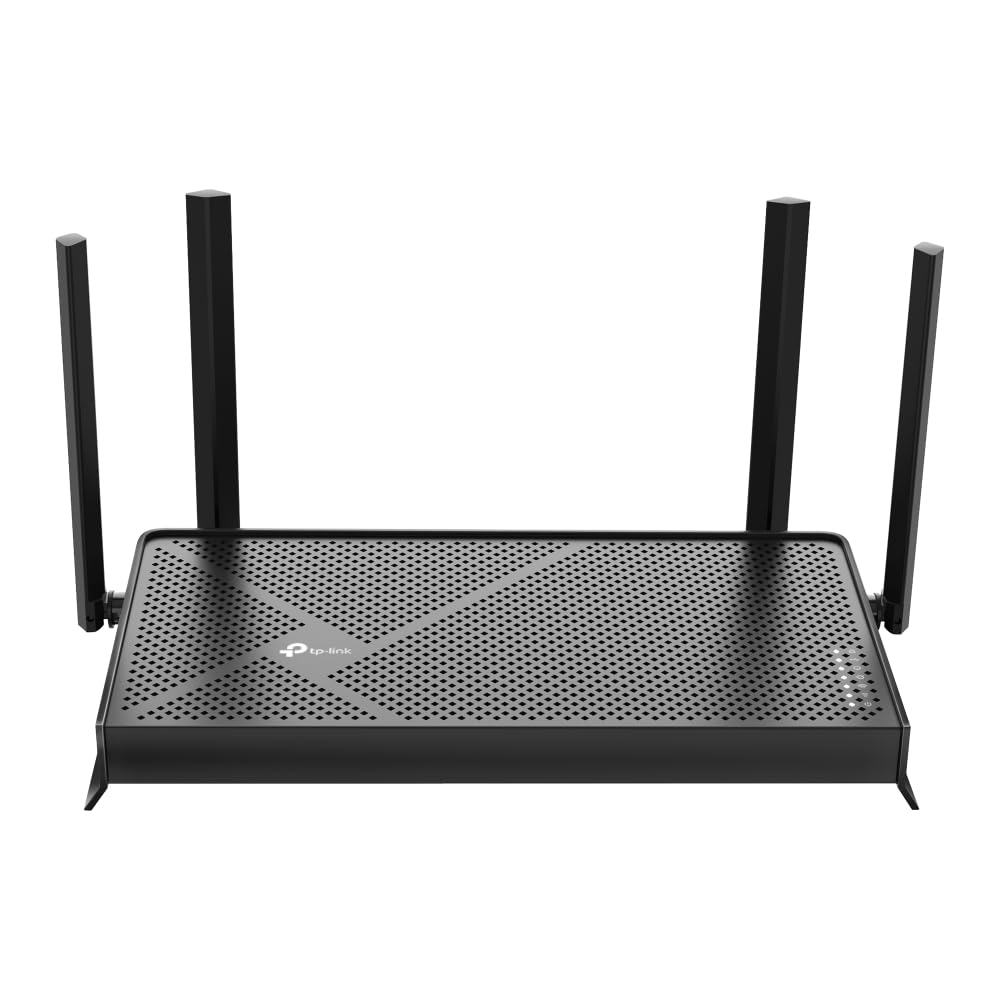
1,000+ ratings
Read Amazon ReviewsTP-Link Archer BE230
Choose the Archer AXE75 if access to a 6 GHz band is central to your Wi-Fi 6E setup.
Consider the Archer BE230 if you prefer its Wi-Fi 7 features, two 2.5 Gbps ports, USB 3.0, and EasyMesh support, and do not need 6 GHz.
- The Archer BE230 is a dual-band Wi-Fi 7 router with up to 2,882 Mbps on 5 GHz and 688 Mbps on 2.4 GHz, two 2.5 Gbps ports, three 1 Gbps LAN ports, USB 3.0, and EasyMesh support.
- Its dual-band design does not include 6 GHz.
- The Archer AXE75 offers tri-band Wi-Fi 6E, including a 6 GHz band, and OneMesh extender support.
Computer Routers alternative
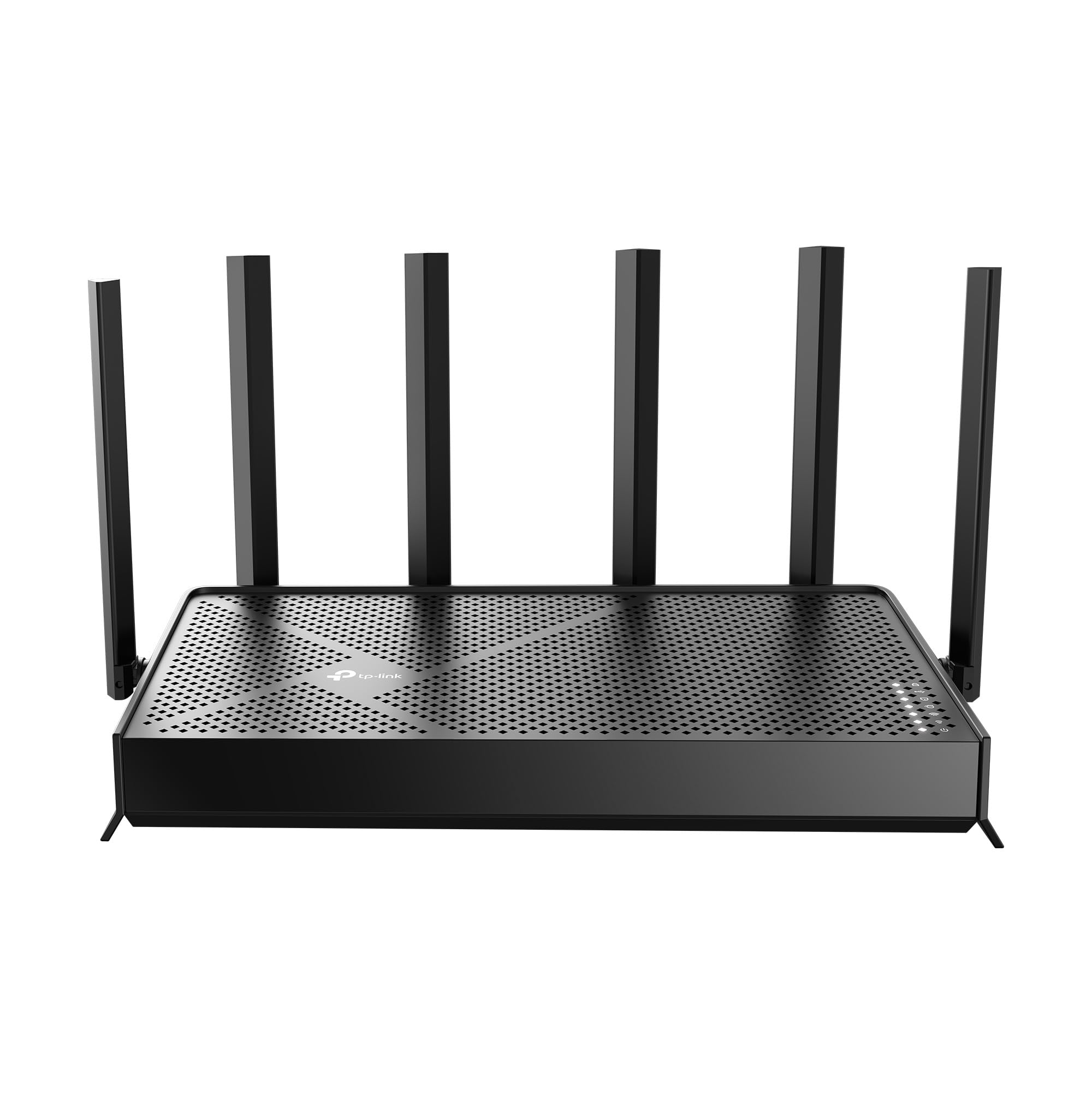
600+ ratings
Read Amazon ReviewsTP-Link Archer BE600
Consider the Archer BE600 if you want Wi-Fi 7 and its specified multi-gig wired ports and coverage capacity.
The Archer AXE75 is the more fitting choice if you are shopping for Wi-Fi 6E and its described OneMesh and VPN features suit your setup.
- The Archer BE600 is a tri-band Wi-Fi 7 router with a 10 Gbps WAN/LAN port, a 2.5 Gbps WAN/LAN port, three 2.5 Gbps LAN ports, and advertised coverage up to 2,600 square feet for up to 120 devices.
- The Archer AXE75 combines Wi-Fi 6E tri-band operation with VPN client and server support and OneMesh compatibility.
Is Archer AXE75 Worth It?
The TP-Link Archer AXE75 is worth considering as a feature-rich Wi-Fi 6E router for a connected home, particularly if you have compatible 6 GHz devices, want tri-band operation, or need router-level VPN options.
Its OneMesh support and basic HomeShield tools add practical flexibility.
Buy it after checking device compatibility, modem requirements, and your coverage needs. If you want Wi-Fi 7 or need a specific high-speed wired-port arrangement, compare those priorities carefully before settling on this Wi-Fi 6E model.
Your review at a glance
5,000+ ratings
Read Amazon ReviewsTP-Link Archer AXE75
A tri-band router for households with Wi-Fi 6E devices, multiple simultaneous connections, and an interest in VPN and network-management features.
- Tri-band Wi-Fi 6E with up to 5,400 Mbps combined advertised wireless speed: 2,402 Mbps on 6 GHz, 2,402 Mbps on 5 GHz, and 574 Mbps on 2.4 GHz.
- A 6 GHz band intended to provide additional bandwidth for Wi-Fi 6E devices, including uses such as gaming and video calls.
- OFDMA and tri-band operation designed to increase capacity for simultaneous transmissions to more devices.
- A 1.0 GHz dual-core CPU and 512 MB of high-speed memory, paired with a housing design intended to dissipate heat.