The SAMSON Q9U XLR/USB Dynamic Broadcast Microphone review centers on a practical hybrid: a dynamic mic that can connect directly to a computer over USB-C or join a traditional setup through XLR.
Its monitoring, mute, and noise-control features suit solo creators who want a straightforward recording path with room to expand.
Samson Q9U Review Summary
The quick verdict
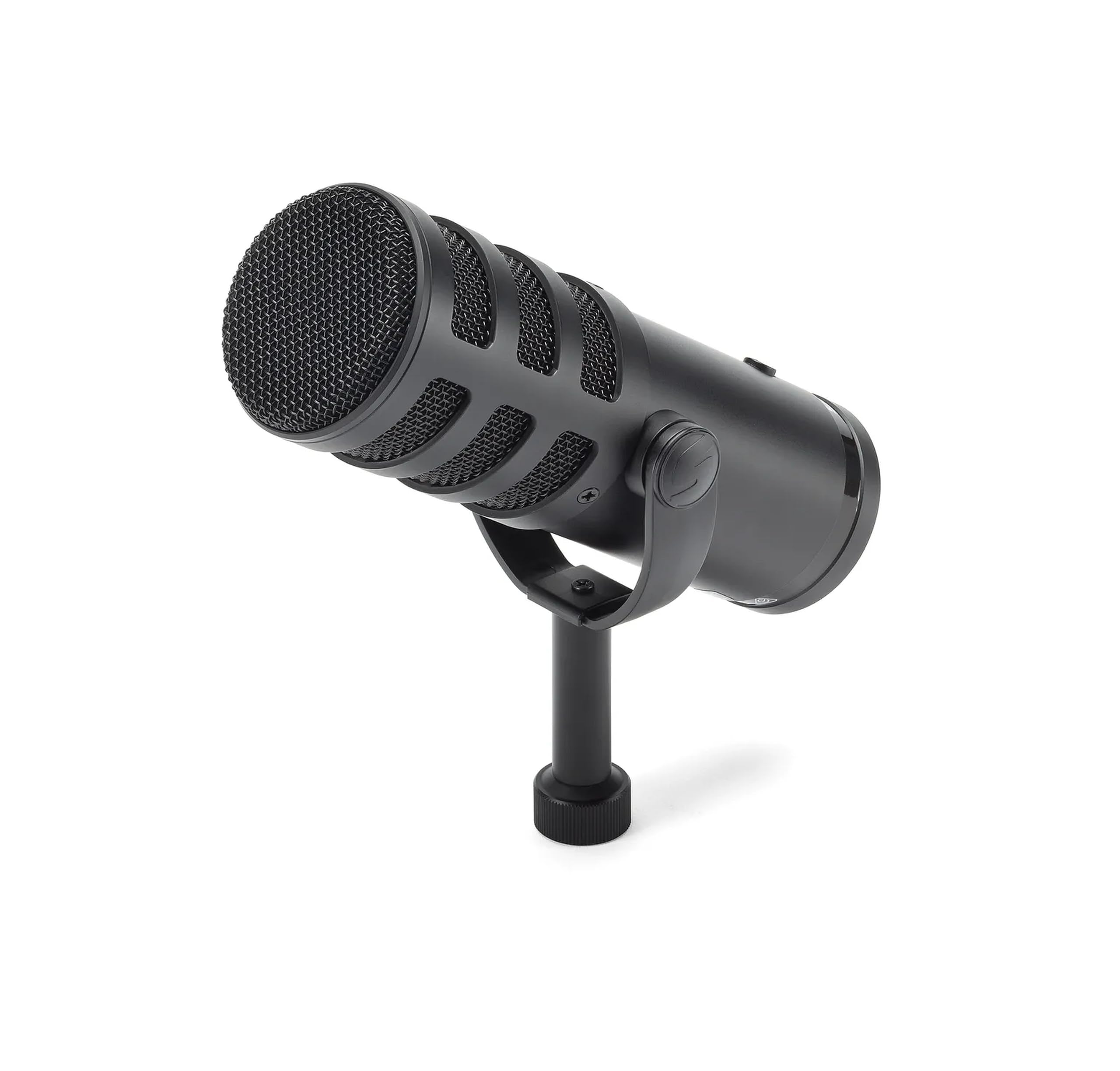
600+ ratings
Read Amazon ReviewsSamson Q9U
A strong fit for podcasters, streamers, and musicians who want one dynamic microphone for USB recording and XLR studio setups.
- Dynamic broadcast microphone with both XLR analog output and USB-C connectivity.
- USB analog-to-digital conversion supports up to 24-bit/96 kHz recording on Mac or Windows computers, with no driver downloads required.
- Dynamic capsule with neodymium magnet is designed to provide output for mixers and audio interfaces without an external gain device.
- Cardioid polar pattern is designed to focus pickup toward the speaker and reduce off-axis ambient sound.

Pros
- USB-C and XLR connections make it useful across computer-based and conventional recording setups.
- High-resolution USB recording is available without downloading drivers.
Consider before buying
- The feature set is most useful when the microphone is positioned and aimed appropriately; cardioid pickup is directional rather than a substitute for managing the room.
- A USB-C recording path and an XLR studio path serve different workflows, so buyers should decide which connection and supporting equipment they expect to use most.
Read the full review summary
The Q9U combines a dynamic capsule with two output paths, so it can serve a simple computer-based podcast or stream and later connect to a mixer or audio interface.
USB recording supports up to 24-bit/96 kHz resolution, while the capsule is designed to provide ample output for a mixer or interface without an external gain device.
Its cardioid pickup pattern, internal pneumatic shock mount, and dual-layer windscreen address common voice-recording concerns such as off-axis room sound, handling noise, and plosive bursts.
The design is especially relevant to solo hosts and small production setups; buyers who need wireless use, multiple microphones, or a complete mounting kit should first check that the rest of their setup matches their needs.
The buying factors
Samson Q9U Scorecard
Editorial scores reflect listed features and buyer fit; they are not laboratory measurements or customer ratings.
Connection flexibility
USB-C and XLR outputs cover direct computer recording as well as conventional mixer or interface setups.
Voice-recording focus
The dynamic capsule, cardioid pattern, and windscreen are well aligned with spoken-word recording.
Computer recording convenience
USB recording supports up to 24-bit/96 kHz and does not require driver downloads.
Monitoring and control
Zero-latency headphone monitoring and an onboard mute switch add useful control while recording.
Room-noise management
Cardioid pickup and the internal shock mount are useful design choices, though room placement still matters.
Setup adaptability
It can fit both a one-person recording arrangement and a larger multi-host studio, depending on the surrounding equipment.
Key Features and Specifications of Samson Q9U
- Dynamic broadcast microphone with both XLR analog output and USB-C connectivity.
- USB analog-to-digital conversion supports up to 24-bit/96 kHz recording on Mac or Windows computers, with no driver downloads required.
- Dynamic capsule with neodymium magnet is designed to provide output for mixers and audio interfaces without an external gain device.
- Cardioid polar pattern is designed to focus pickup toward the speaker and reduce off-axis ambient sound.
- Zero-latency headphone monitoring supports real-time listening during recording.
- Onboard mute switch silences both the XLR and USB outputs.
- Internal pneumatic shock mount and dual-layer windscreen address mechanical noise and plosive sounds.
Pros and Cons of Samson Q9U
Pros
- USB-C and XLR connections make it useful across computer-based and conventional recording setups.
- High-resolution USB recording is available without downloading drivers.
- Headphone monitoring and a physical mute switch support hands-on recording control.
- The cardioid pattern, shock mount, and dual-layer windscreen target several common spoken-word recording challenges.
Consider before buying
- The feature set is most useful when the microphone is positioned and aimed appropriately; cardioid pickup is directional rather than a substitute for managing the room.
- A USB-C recording path and an XLR studio path serve different workflows, so buyers should decide which connection and supporting equipment they expect to use most.
- The product description does not establish what mounting hardware is included; check the package details if you need a stand or boom arm in the same purchase.
Who Should Buy Samson Q9U?
Good fit
Consider the Q9U if you record podcasts, streams, voiceovers, or live recordings and want one microphone that can connect directly to a computer or join an XLR chain.
That flexibility can help a solo creator begin with a simple setup and keep the option of changing the recording path later.
It is also a good match for someone who values direct monitoring and a mute control on the microphone itself.
The shock mount and layered windscreen add practical design support for voice work, while the cardioid pattern favors a speaker positioned in front of the mic.
Before buying, confirm how you plan to mount it and whether your computer or recording gear has the connection you intend to use.
If you plan on XLR, verify the rest of the signal chain; if you plan on USB, make sure USB-C fits your computer or available cable arrangement.
Who should skip it
Look elsewhere if you need a wireless microphone or a multi-mic kit in one purchase; the Q9U is described as a wired single microphone with USB-C and XLR connections.
It may not suit buyers who want an omnidirectional pickup approach or expect a microphone alone to control room reflections. The Q9U's cardioid design is directional, so placement and the recording environment remain part of the setup.
How the Samson Q9U Fits a Modern Recording Setup
Two output paths for changing workflows
The combination of USB-C and XLR is the Q9U's central practical advantage. USB-C provides a direct computer route with up to 24-bit/96 kHz digital recording, while XLR supports connection to a mixer or interface.
That gives a creator room to choose a simpler or more involved recording chain without changing microphones.
A voice-focused pickup design
The cardioid pattern is intended to emphasize sound from the front and reduce pickup from off-axis directions. For a solo host, that makes microphone orientation and speaking position meaningful parts of the setup.
The internal shock mount and dual-layer windscreen complement that approach by addressing mechanical noise and plosives at the microphone.
Useful controls while recording
Zero-latency headphone monitoring lets the speaker hear their voice in real time, which can help with adjusting position and delivery during a session.
The onboard mute switch silences both outputs, giving the user a direct control on the mic whether the active connection is USB or XLR.
Check the supporting gear
The Q9U's versatility depends on matching its output to the rest of the setup. Computer users should check the USB-C connection path, while XLR users should confirm that their mixer or interface and mounting arrangement are ready.
The stated design supports operation without an external gain device, but the specific rest-of-chain requirements depend on the gear and recording workflow.
Alternatives to Samson Q9U
Multipurpose Dynamic Microphones alternative
5,000+ ratings
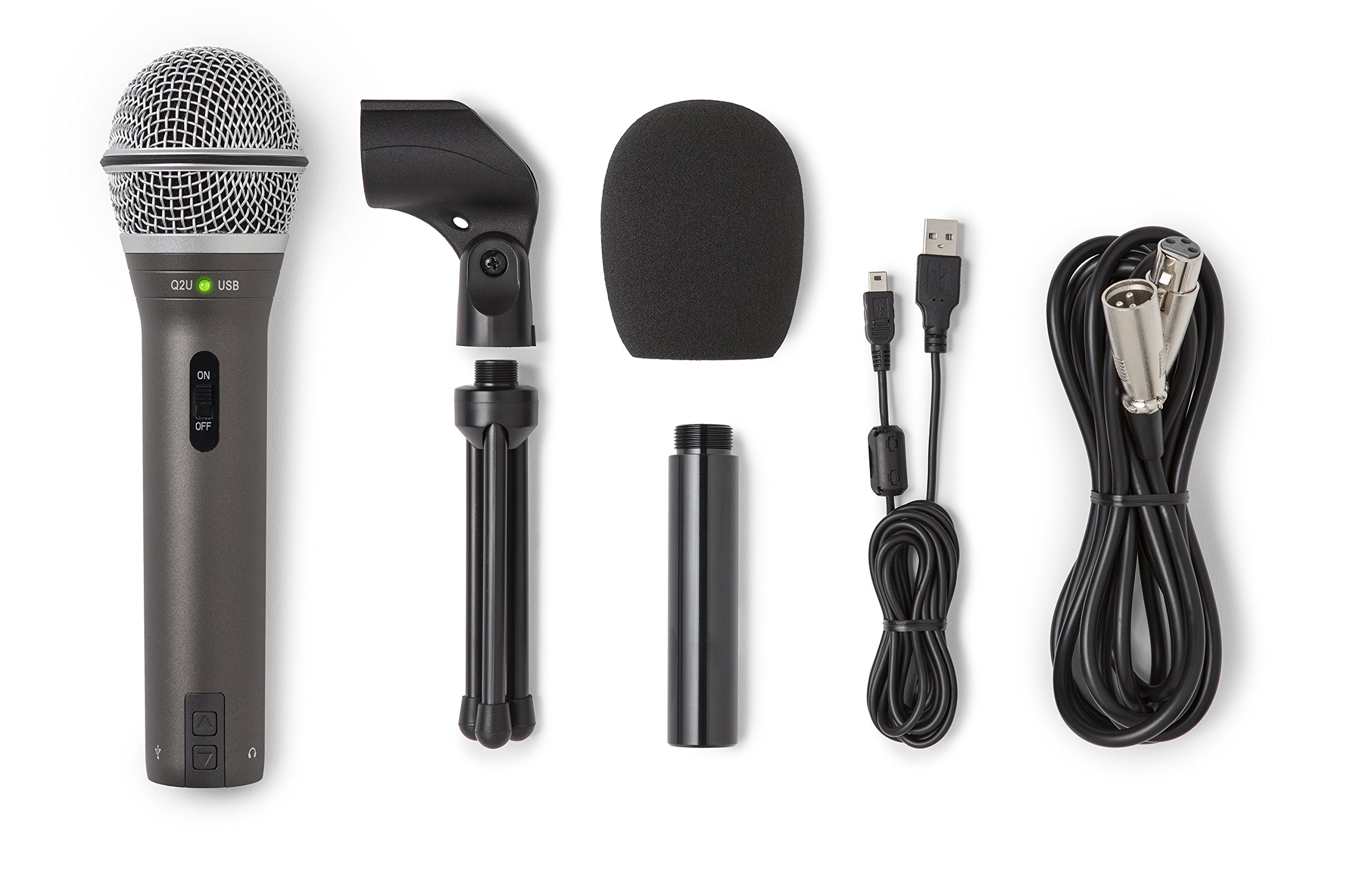
Read Amazon ReviewsSamson Q2U
Choose the Q9U if its monitoring, mute, and high-resolution USB features are priorities. The Q2U may be a better fit if you want a handheld format and a stated bundle of basic recording accessories.
- The Q2U is a handheld dynamic microphone with USB-C and XLR connections.
- Its listed pack includes a tripod desktop stand, extension, mic clip, windscreen, USB-C cable, and XLR cable.
- The Q9U offers USB-C and XLR connections, high-resolution USB recording, headphone monitoring, a mute switch, and design features aimed at broadcast voice recording.
Multipurpose Dynamic Microphones alternative
3+ ratings
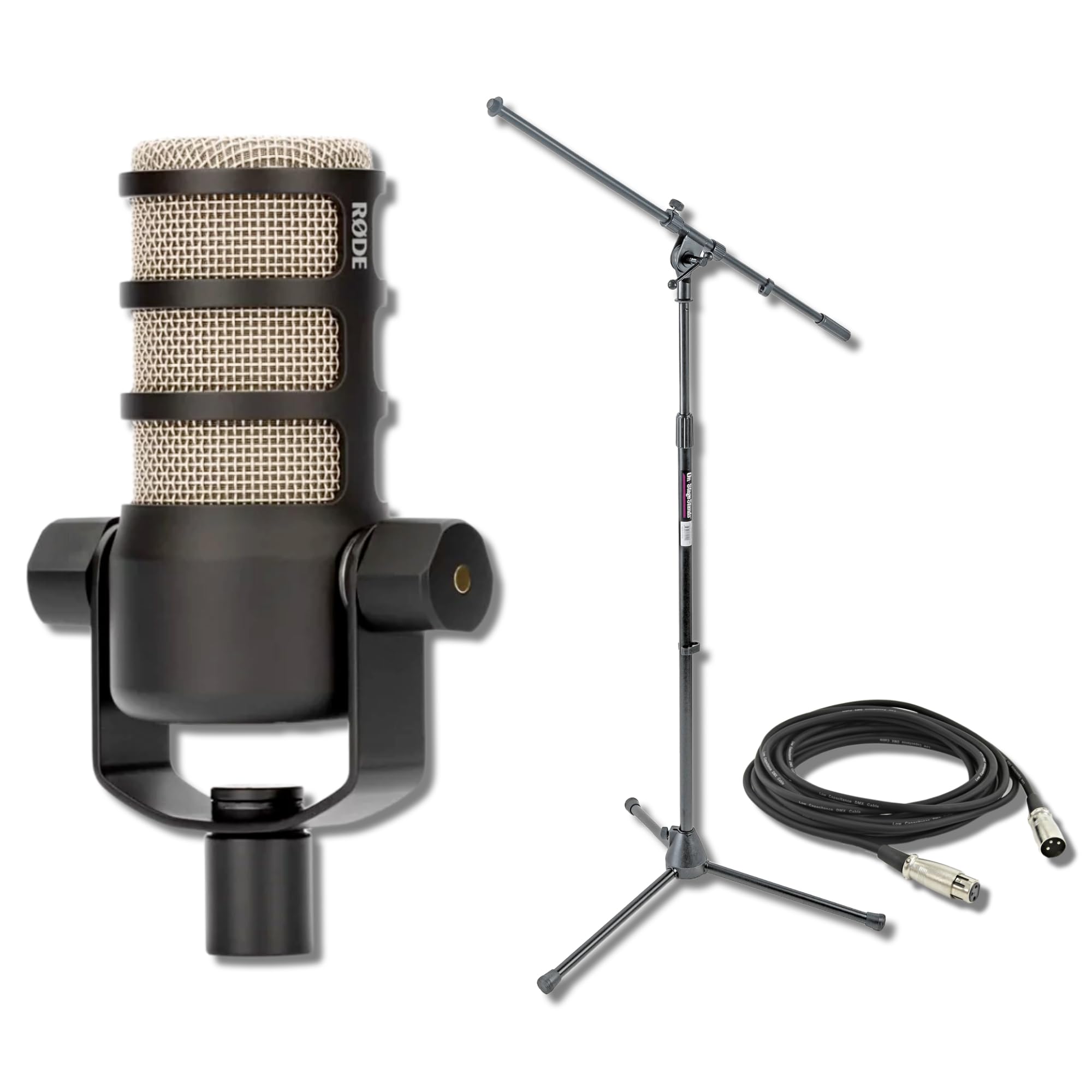
Read Amazon ReviewsRode PodMic Broadcast Microphone Bundle
The Q9U is the more flexible choice when direct USB recording matters. The Rode bundle better suits a buyer who already wants an XLR-centered setup and needs a floor stand and long cable included.
- This bundle pairs the XLR-only Rode PodMic with a floor tripod boom stand and a 20-foot balanced XLR cable.
- Its microphone is described with a cardioid capsule, internal pop filter, and internal shock mount.
- The Q9U can connect by USB-C directly to a computer or use its XLR output with a mixer or interface.
Is Samson Q9U Worth It?
The Samson Q9U is worth considering for creators who want a dynamic broadcast microphone with both direct USB-C recording and an XLR route into studio gear.
Its high-resolution USB mode, monitoring, mute switch, and voice-focused design make it a capable option for podcasts, streams, and other spoken-word work.
The best fit is someone who will use those connection choices and can match the mic with suitable mounting and recording equipment.
If your priority is a complete accessory bundle or a different connection style, compare those practical setup needs before choosing.
Your review at a glance
600+ ratings
Read Amazon ReviewsSamson Q9U
A strong fit for podcasters, streamers, and musicians who want one dynamic microphone for USB recording and XLR studio setups.
- Dynamic broadcast microphone with both XLR analog output and USB-C connectivity.
- USB analog-to-digital conversion supports up to 24-bit/96 kHz recording on Mac or Windows computers, with no driver downloads required.
- Dynamic capsule with neodymium magnet is designed to provide output for mixers and audio interfaces without an external gain device.
- Cardioid polar pattern is designed to focus pickup toward the speaker and reduce off-axis ambient sound.