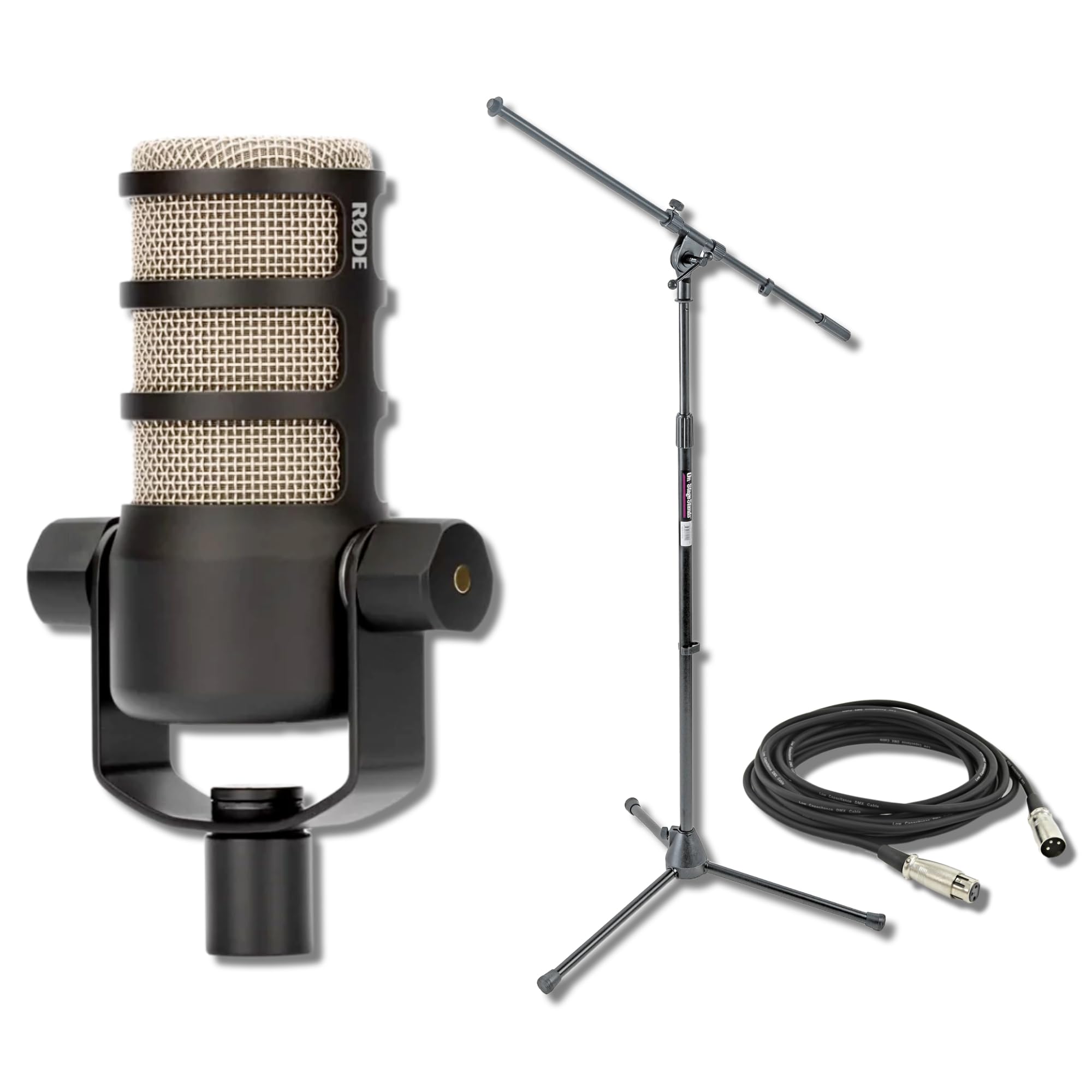
This review rode podmic bundle pairs the Rode PodMic with a tripod floor stand and a 20-foot balanced XLR cable, making it a ready-made starting point for a fixed recording position.
Its XLR-only design and boom stand suit creators who already use an interface or mixer and prefer a floor-supported setup.
Rode PodMic Review Summary
The quick verdict
3+ ratings
Read Amazon ReviewsRode PodMic Bundle
A practical fit for podcasters and voice-over creators who want an XLR dynamic mic, floor stand, and long cable in one setup.
- Rode PodMic dynamic microphone with an end-address capsule and cardioid pickup pattern.
- Frequency response listed as 20 Hz to 20 kHz.
- Internal dual-mesh pop filter, internal shockmount, all-metal body, and integrated swing mount with wing nuts.
- Balanced three-pin XLR output with 320-ohm impedance; the dynamic capsule does not require 48V phantom power.

Pros
- Includes the mic, floor stand, and long XLR cable, reducing the need to source basic setup parts separately.
- Cardioid dynamic design and internal pop filtering are suited to close speech recording.
Consider before buying
- The XLR-only connection requires a compatible interface, mixer, or other XLR input.
- A floor tripod takes room space; check that its footprint and boom reach work with your seating and camera layout.
Read the full review summary
The bundle addresses a common setup problem: choosing a microphone is only part of making a usable recording position.
The included On-Stage MS7701B stand adjusts from 36 to 64 inches, its removable boom extends 30 inches, and the cable gives room to place an interface or mixer farther away.
Together, those pieces can be useful where a desk clamp is awkward or a floor stand better suits the room.
The PodMic is an end-address dynamic microphone with cardioid pickup, an internal pop filter, an internal shockmount, and a balanced XLR output.
It needs no phantom power, but it does need an audio interface, mixer, or other suitable XLR input; there is no direct USB connection in the described setup.
This is best for a creator who wants a conventional mic-and-mixer workflow, rather than someone seeking an all-in-one computer mic.
The buying factors
Rode PodMic Scorecard
Editorial scores reflect listed features and buyer fit; they are not laboratory measurements or customer ratings.
Broadcast-oriented setup
The dynamic cardioid mic, internal pop filter, and swing mount fit close-miked speech recording.
Room-position flexibility
The floor tripod, removable boom, and 20-foot cable give useful placement options around a recording space.
Connection simplicity
XLR is straightforward with compatible gear, though an interface or mixer is needed.
Pop and handling provisions
An internal dual-mesh pop filter and shockmount are built into the microphone.
Portability and storage
The stand folds flat for transport, while the full floor-stand arrangement is less compact than a desktop mic.
Out-of-box completeness
The bundle includes the microphone, stand, and a long balanced XLR cable for a basic recording position.
Key Features and Specifications of Rode PodMic
- Rode PodMic dynamic microphone with an end-address capsule and cardioid pickup pattern.
- Frequency response listed as 20 Hz to 20 kHz.
- Internal dual-mesh pop filter, internal shockmount, all-metal body, and integrated swing mount with wing nuts.
- Balanced three-pin XLR output with 320-ohm impedance; the dynamic capsule does not require 48V phantom power.
- On-Stage MS7701B Euro boom tripod floor stand with 36–64-inch height adjustment and a removable 30-inch boom arm.
- Stand has a 23-inch base spread, weighs 5.2 pounds, folds flat, and uses a 5/8-inch-27 top thread.
- Bundle includes a 20-foot balanced XLR cable.
Pros and Cons of Rode PodMic
Pros
- Includes the mic, floor stand, and long XLR cable, reducing the need to source basic setup parts separately.
- Cardioid dynamic design and internal pop filtering are suited to close speech recording.
- No phantom power is needed for the microphone.
- The adjustable boom stand can position the mic without relying on a desk clamp.
Consider before buying
- The XLR-only connection requires a compatible interface, mixer, or other XLR input.
- A floor tripod takes room space; check that its footprint and boom reach work with your seating and camera layout.
- The stand's 5.2-pound weight may be a consideration if you regularly move or pack the full setup.
Who Should Buy Rode PodMic?
Good fit
Consider this bundle if you are setting up a podcast, voice-over, livestream, or radio-style recording position and already have—or plan to add—an XLR interface or mixer.
The included stand and 20-foot cable help cover two practical setup needs, especially when a desk-mounted arm is not a good fit for your workspace.
The PodMic's integrated pop filter and shockmount keep the setup relatively tidy around the capsule.
Before buying, check the stand's height range and boom reach against your chair, microphone position, and available floor area; then confirm your recording gear accepts a balanced XLR connection.
Who should skip it
Skip this bundle if you need a microphone that connects directly to a computer over USB, or if you do not want to use an interface or mixer. Its design is centered on an XLR recording chain.
It may also be a poor fit for a very small desk or tight room where a floor tripod would obstruct movement. Measure the base area and the route the boom needs to reach your speaking position.
How the Rode PodMic Bundle Fits a Speech Recording Setup
XLR workflow and gear compatibility
The PodMic sends audio through a balanced three-pin XLR output. That keeps the microphone in a familiar studio or broadcast signal chain, with level and other recording decisions handled by the connected interface or mixer.
Make sure your existing equipment has an appropriate XLR input and that your planned cable route is practical; the microphone itself does not provide USB connectivity.
Close speech and built-in filtering
The end-address capsule means the speaker talks toward the microphone's end, while its cardioid pattern is intended to focus pickup toward the front.
The internal dual-mesh pop filter is designed to reduce plosive bursts, and the internal shockmount addresses capsule isolation within the mic.
These are useful built-in provisions for speech work, though microphone position and speaking technique still matter to the final recording.
Floor stand placement
The MS7701B adds height adjustment from 36 to 64 inches and a removable 30-inch boom, giving more placement range than a fixed desktop support.
Its 23-inch base spread helps define the space the tripod occupies, and the 5.2-pound weight is relevant if the rig needs frequent repositioning.
Confirm that the height, reach, and floor footprint suit your room before settling on this style of stand.
What the bundle covers
The microphone, stand, and 20-foot XLR cable cover the main physical pieces for a basic position, but the recording chain still depends on compatible audio equipment.
That distinction matters to first-time buyers: the bundle gets the mic into place and connects it by cable, while the interface or mixer remains part of the overall setup.
Alternatives to Rode PodMic
Multipurpose Dynamic Microphones alternative
600+ ratings
Read Amazon ReviewsSamson Q9U
Choose the PodMic bundle if the included floor stand and long XLR cable address your setup needs and you already have an interface or mixer.
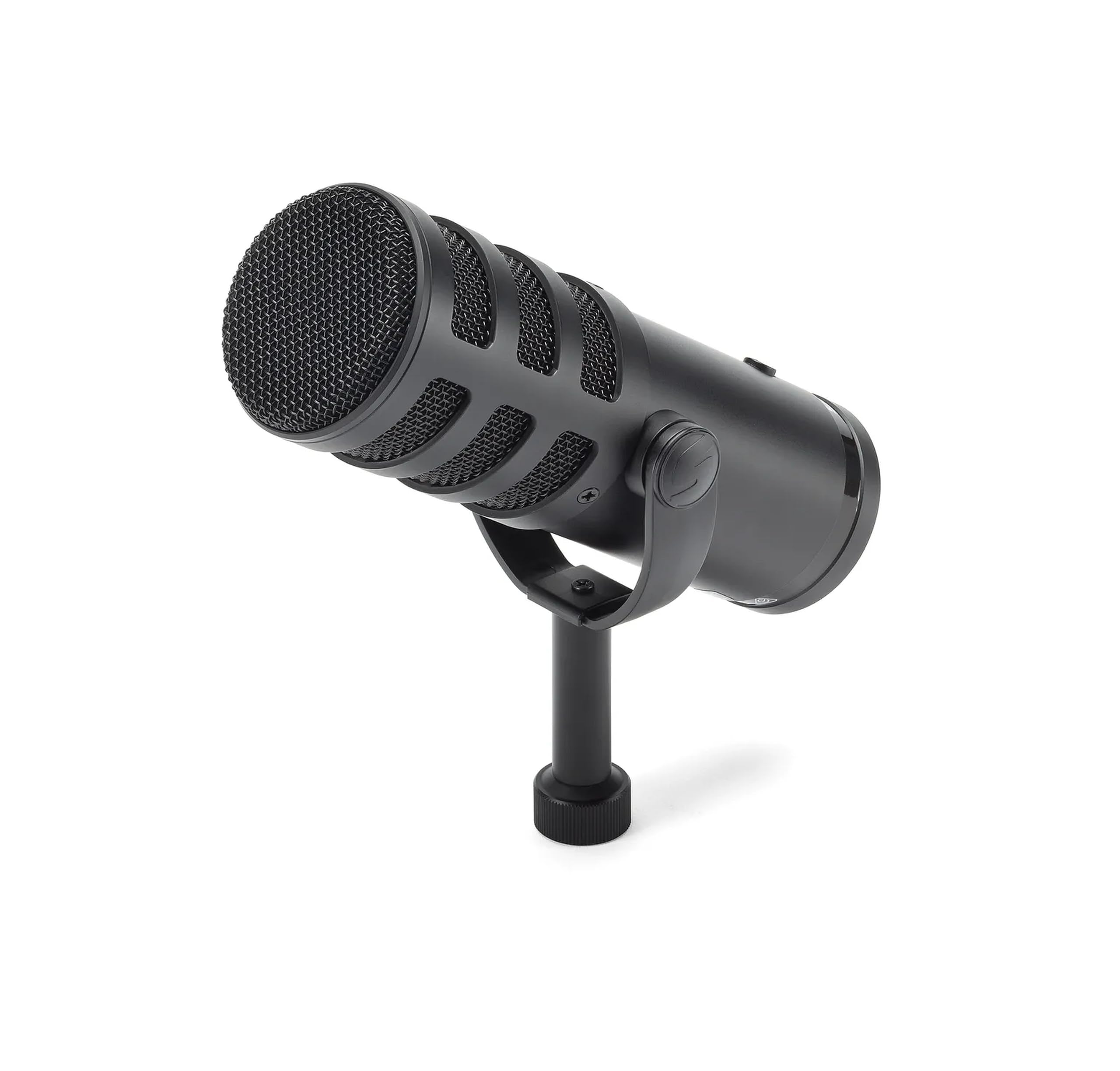
The Q9U is a more suitable direction if direct USB-C recording, headphone monitoring, or a physical mute switch matters more; its supplied description does not specify a floor stand or long cable.
- The Samson Q9U offers both XLR and USB-C outputs, 24-bit/96 kHz digital audio, zero-latency headphone monitoring, and an onboard mute switch.
- The Rode PodMic is an XLR-only dynamic mic in this bundle, paired with a floor stand and 20-foot XLR cable.
Multipurpose Dynamic Microphones alternative
5,000+ ratings
Read Amazon ReviewsSamson Q2U
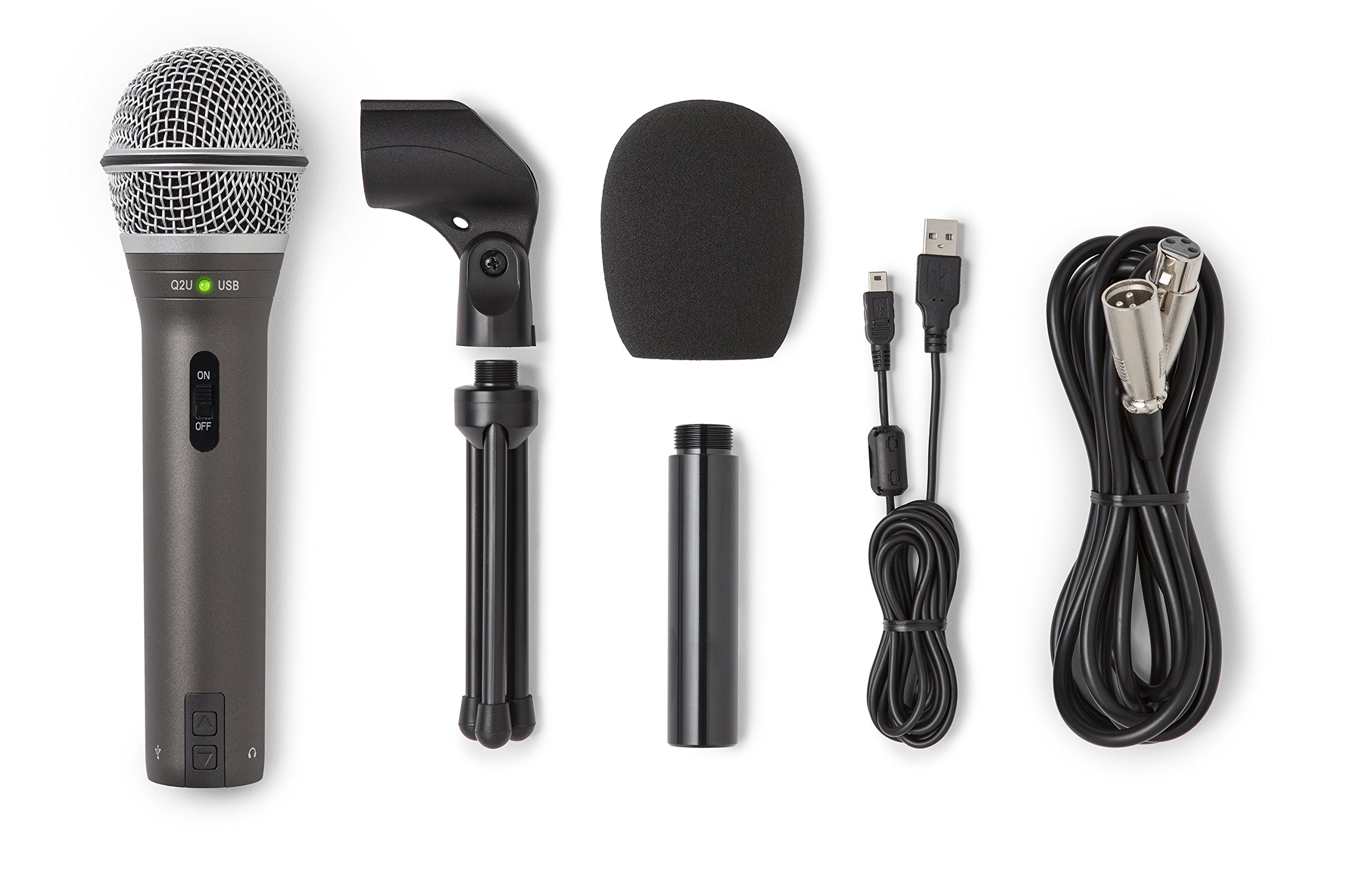
The PodMic bundle suits a floor-standing position and an XLR-centered recording chain. The Q2U is a practical alternative for someone who wants the option of direct USB-C connection and a compact desktop stand, with both connection types included.
- The Samson Q2U has USB-C and XLR connections and includes a desktop tripod stand, extension, mic clip, windscreen, USB-C cable, and XLR cable.
- The PodMic bundle centers on an XLR-only broadcast-style microphone and supplies a boom tripod floor stand.
Is Rode PodMic Worth It?
The Rode PodMic bundle is worth considering for speech-focused creators who want a dynamic XLR microphone with a floor stand and a long cable included.
Its internal pop filter and shockmount, cardioid pickup, and adjustable boom support a purposeful recording setup without requiring a desk clamp.
Buy it if you have compatible XLR recording gear and enough floor space for the tripod. If direct USB connection or a desktop footprint is central to your setup, choose a microphone designed around those needs instead.
Your review at a glance
3+ ratings
Read Amazon ReviewsRode PodMic Bundle
A practical fit for podcasters and voice-over creators who want an XLR dynamic mic, floor stand, and long cable in one setup.
- Rode PodMic dynamic microphone with an end-address capsule and cardioid pickup pattern.
- Frequency response listed as 20 Hz to 20 kHz.
- Internal dual-mesh pop filter, internal shockmount, all-metal body, and integrated swing mount with wing nuts.
- Balanced three-pin XLR output with 320-ohm impedance; the dynamic capsule does not require 48V phantom power.